

Autumn & Dry-Off Management
Milking through to the end of the season, While Holding BCS and Pasture Cover
Autumn is an influential period in the dairy calendar. Decisions made now determine not only how long cows can be milked this season, but also how much pressure the farm carries through winter and into early spring.
The objective is not to get to the end of the season.
The objective is to set up the farm for spring while milking for as long as possible throughout autumn, as well as building the cow condition score (BCS) and managing farm pasture cover.
Milk is valuable — but it should only be produced without borrowing from winter and spring feed.
The Autumn Balancing Act
Autumn management sits at the intersection of three competing pressures:
- Maximising days in milk and cashflow
- Protecting cow condition ahead of winter
- Achieving target pasture covers at dry-off
Problems arise when one of these is prioritised at the expense of the others. Milking on without discipline often looks profitable in the short term, but the cost shows up later as:
- Higher winter supplement use
- Lighter cows at calving
- Reduced spring flexibility
Autumn success comes from setting clear guardrails and making small, early adjustments.
Setting the Guardrails: BCS and Pasture Cover Targets
Cow Condition Score – Autumn is the cheapest time to put condition on cows. Once cows lose condition in autumn, it is far more expensive to recover over winter.
Typical targets:
- Target BCS at dry-off: 4.75–5.0
Any cows trending below BCS 4.5 should trigger early intervention, preferably preferential feeding, OAD or earlier dry-off. Allowing cows to slip below this level limits flexibility later.
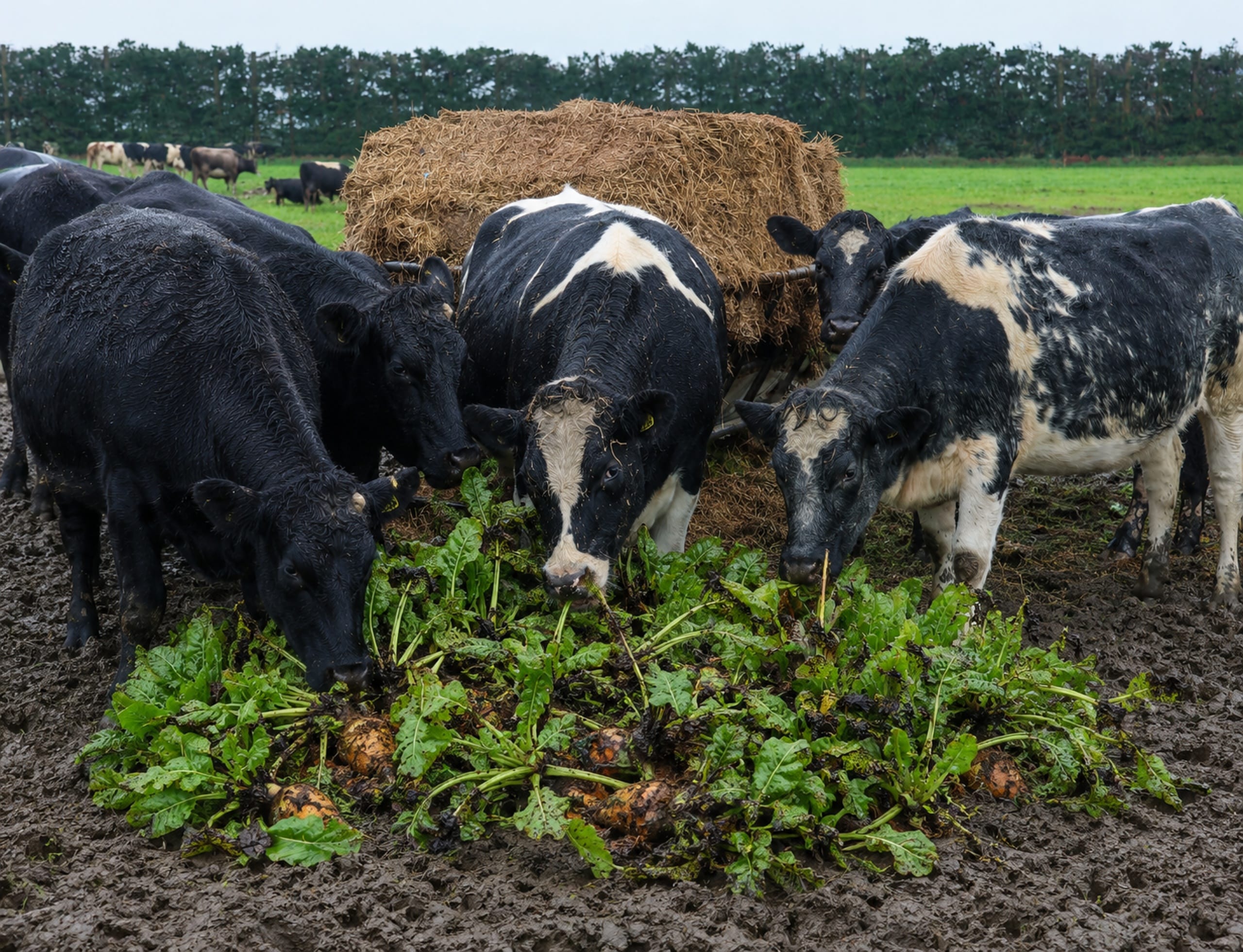
An option to help management this would be to reshuffle the herds, putting all early calvers into one herd. This will allow for easy dry off decisions but also for BCS management. If there was a concern that BCS was slipping or cows weren’t gaining condition as expected, this herd would be the most at risk due to having less time to gain weight prior to calving. Having them in one herd means that they can be treated separately, i.e., offered a higher rate of silage, pk or reduced their walking. The second herd would then be made up of the next calving groups with late calvers and empty cows (these cows can do the long walks with little negative impact.)
Reshuffling to expected calving date also allows for young cows to adapt to the new hierarchy when mixed with older cows before they compete with them on crop paddocks.
Target Dry-Off Covers (Average Farm Cover)
Target dry-off covers should be set early and used to guide decisions, not reviewed after the fact.
- Key considerations
- Compactness of expected calving spread
- Required pasture intake rates based nutritional requirements and availability of supplements in the spring.
- Normal winter growth expectations
- Springer management
- Target end of first round date
Identifying Winter/Spring Feed Requirements Early
Before deciding how long to milk, farms must understand their post-dry-off feed demand.
This requires clarity on:
- Planned start of calving
- Cow numbers wintered
- Daily winter intake per cow
From this, total demand can be calculated, along with the supplement required for spring. This process defines the minimum dry-off cover required — it is not a negotiable number.
Milking decisions that compromise this position simply shift cost into next season.
Looking Ahead to Spring Feed Demand
Autumn decisions flow directly into early spring performance.
Low dry-off covers increase the risk of:
- Shortened early spring rotations
- Increased supplement use during peak demand
Holding pasture cover in autumn creates flexibility in spring — particularly in years where early growth is slower than expected.
Using Autumn Grazing to Set Up the Spring Feed Wedge
Autumn grazing order plays a major role in setting up the spring feed wedge.
A simple rule applies:
Paddocks grazed first in the last round are the first paddocks grazed in the spring choose wisely to avoid unnecessary walks.
In practice:
- Far or hard-to-access paddocks are often best grazed last in autumn
- They form the end of the spring feed wedge during calving when cow numbers allow for these to be grazed quickly in 2 or less grazings.
This approach:
- Reduces pressure on closer paddocks in early spring
- Improves pasture quality during early lactation
- Provides flexibility if spring growth is delayed
Springer paddocks should be identified by mid April and have their last grazing then, colostrum paddocks should be grazed first in the last round so that they have suitable pasture covers come spring.
Building the Autumn Feed Budget
A simple autumn feed budget should be reviewed regularly and answer three key questions:
- What feed is on hand and how much of it is available for autumn
- What happens if growth rates drop?
- Which cows should exit the system first if pressure builds?
- How long can we continue milking while holding cover?
If the feed budget shows a declining cover trajectory, action should be taken early rather than waiting for a larger correction.
Using the Feed Budget to Drive Cull and Dry-Off Decisions
Cull Decisions
Identifying cull cows early reduces feed demand immediately and protects system performance.
Priority culls typically include:
- Low producing cows identified as culls
- Structural or ongoing health issues
Early culling of low production culls and management culls improves per-cow performance of the remaining herd and helps maintain pasture cover. Often empty cows are the last culls to go as they will be out producing pregnant animals.
Staged Dry-Off
Dry-off should be planned as a process, not a single date.
Cows to dry off first:
- Light cows
- early calvers
- Low-margin producers
A staged approach allows the main herd to milk longer without compromising BCS or pasture cover. Dry-off becomes a management tool rather than a reactive decision.
MilkMaP Take-Home Message
Autumn is about control, not calendar dates.
The aim is to maximise profitable days in milk, not milk at any cost. Farms that set clear BCS and pasture cover targets, understand their winter and spring feed requirements, and make early, disciplined decisions reduce pressure later and protect performance next season.
Small adjustments made early in autumn are far cheaper than large corrections made in winter.